

Cannabis 101: Your First Visit to a Dispensary
Cannabis 101: Your First Visit to a Dispensary
Walking into a dispensary for the first time can feel a bit like entering another world. Maybe you’re nervous. Maybe you’re excited. Maybe you’re both. Perhaps you’ve been curious about cannabis for years, or maybe recent changes in your state have opened the door to something you’ve always wanted to explore. Whatever brought you to this moment, you’re here now, and that first visit to a dispensary represents more than just a shopping trip—it’s a milestone in your relationship with a plant that’s been used by humans for thousands of years.
Here’s the good news: dispensaries are designed to be welcoming spaces, and the staff are there to help guide you through the experience. You don’t need to know everything before you walk through those doors. You don’t need to memorize strain names or understand complex cannabis chemistry. You just need to know enough to feel comfortable, ask the right questions, and make informed choices that align with your goals. That’s exactly what this guide will help you do.
Think of this as your comprehensive roadmap to that first visit—everything from what to bring, what to expect, how to communicate with staff, and how to choose products that will give you the experience you’re seeking. By the time you finish reading, you’ll walk into that dispensary with confidence, not confusion.
Before You Go: Essential Preparation
Age and ID Requirements
First things first: you must be 21 years or older to enter a recreational dispensary (18+ with a valid medical marijuana card in medical-only states). Bring a valid, government-issued photo ID—driver’s license, passport, state ID card, or military ID. Your ID will be checked at the door, just like at a bar or when buying alcohol.
Everyone gets their ID checked regardless of age—it’s standard procedure, so don’t take it personally. It’s a quick, simple process that takes just a moment.
Important note: Don’t bring anyone underage with you. Most dispensaries maintain a strict 21+ policy for everyone on the premises. If you’re a parent who needs to visit a dispensary, plan childcare in advance.
Cash vs. Card: Understanding Payment Options
Here’s something that surprises many first-time visitors: many dispensaries are cash-only or cash-preferred businesses. Before your visit, check the dispensary’s website or call ahead to confirm their payment options.
Here’s what you might encounter:
Cash-only dispensaries accept only paper money. Many have ATMs on-site for convenience, but these typically charge transaction fees of $2-5, sometimes more. If you plan to make a significant purchase, save yourself the ATM fee by bringing cash from your own bank.
Debit-friendly dispensaries may accept debit cards, though the transaction often processes as an ATM withdrawal rather than a traditional card purchase. You might be charged slightly more than your purchase price (say, $53 for a $50 order), with the extra $3 returned as cash. Some dispensaries charge a small convenience fee for debit transactions.
Cashless ATM systems are becoming more common—these work like debit transactions but don’t involve physical ATMs. You’ll still need your PIN.
Very few accept credit cards, but some do through specialized payment processors. If a dispensary accepts credit cards, there’s usually a processing fee of 3-5%.
Bottom line: Bring cash to be safe. Even if the dispensary accepts cards, having cash ensures you won’t encounter any payment complications.
Know Your State’s Purchasing Limits
Every state with legal cannabis has established purchasing limits—the maximum amount you can buy in a single day or transaction. These limits exist to maintain regulated supply chains. While you don’t need to memorize exact numbers (the dispensary’s system tracks this automatically), understanding that limits exist helps set realistic expectations.
Typical limits look something like this:
- Flower: 1 ounce (28 grams) per day
- Concentrates: 5-8 grams per day
- Edibles: Limits based on total THC content, often 800-1000mg per day
- Different product categories have equivalency ratios that dispensaries calculate automatically
If you’re visiting from out of state, you’re welcome to shop at recreational dispensaries—cannabis tourism is a real thing! You’re subject to the same purchasing limits as residents. The budtender will keep you informed if you’re approaching any limits, so there’s nothing to worry about.
Don’t worry about these limits for your first visit. Unless you’re planning to buy several ounces of flower, you won’t come close to hitting them. They’re designed to prevent bulk buying, not to restrict normal consumer purchases.
Research: A Little Knowledge Goes a Long Way
You don’t need to become a cannabis expert before your first dispensary visit, but investing 30-60 minutes in basic research will dramatically improve your experience and help you communicate effectively with budtenders.
Start with fundamentals:
- THC vs. CBD: Understand that THC is the primary psychoactive compound (what gets you “high”), while CBD is non-intoxicating and often associated with therapeutic benefits like anxiety relief and pain management.
- Terpenes: Learn that these aromatic compounds influence effects and that cannabis is more complex than just THC percentages.
- Consumption methods: Familiarize yourself with the difference between smoking, vaping, and edibles, particularly regarding onset time and duration.
- Start low, go slow: This phrase will come up repeatedly—understand that it’s the golden rule of cannabis consumption, especially for beginners.
Next, think about your “why.” What are you hoping to achieve with cannabis? Getting clear on your intentions helps budtenders make appropriate recommendations:
- Are you seeking better sleep?
- Relief from chronic pain or inflammation?
- Help managing anxiety or stress?
- A way to enhance social experiences?
- Creative inspiration?
- General relaxation and wellness?
- Simple curiosity about an experience you’ve never had?
There’s no wrong answer here—cannabis serves many purposes for many people. But clarity about your goals ensures you walk out with products that actually align with what you’re seeking rather than something randomly selected.
Browse the dispensary’s online menu ahead of time. Nearly all dispensaries maintain digital menus on their websites or through platforms like Knuggzilla where you can:
- See current inventory and prices
- Read product descriptions
- Check THC/CBD percentages
- Look at photos of products
- Read reviews from other consumers
- Identify items you want to ask about
Take screenshots or write down names of products that interest you. This preparation transforms your visit from overwhelming to manageable. Instead of staring blankly at hundreds of options, you’ll walk in saying, “I’m interested in trying X strain” or “I saw Y product online and want to learn more about it.” This focused approach makes budtenders’ jobs easier and your experience more productive.
Consider reading a few articles about cannabis basics—perhaps the other educational content on Knuggzilla about terpenes, the endocannabinoid system, or consumption methods. You don’t need to memorize everything, but general familiarity with concepts makes the conversation flow more naturally.
Set a Realistic Budget
Cannabis products span a wide price range, from budget-friendly options to premium craft selections. Understanding typical price points helps you set realistic expectations.
Here’s what you can generally expect to pay:
Flower (by the eighth, 3.5 grams):
- Budget tier: $20-35
- Mid-tier: $35-50
- Premium craft: $50-70+
Pre-rolls:
- Standard single joints: $8-15
- Premium or infused: $15-30+
- Packs of mini pre-rolls: $20-40
Edibles:
- Gummies (10-pack, 100mg total THC): $15-30
- Chocolates: $15-35
- Beverages: $5-15 per drink
- Baked goods: $10-25
Vape cartridges:
- 0.5g cartridges: $25-45
- 1g cartridges: $40-70
- Live resin cartridges: $50-80+
Tinctures:
- Small bottles (15-30ml): $20-40
- Larger bottles: $40-80
Topicals:
- Lotions and balms: $20-60
- Transdermal patches: $15-30
For your first visit, budget $50-100 if you want to try a couple of different product types—say, an eighth of flower and some edibles, or a pre-roll and a vape cartridge. You can absolutely spend less by choosing a single product, or you can spend more by selecting premium options or buying several items. There’s no “right” amount to spend—only what feels comfortable for your situation.
Many dispensaries offer first-time customer discounts (typically 10-20% off), daily specials, and loyalty programs. Ask about these when you arrive—they can stretch your budget significantly.
Pro tip: Don’t feel pressured to buy more than you planned just because something sounds appealing or a budtender recommends it enthusiastically. Start small, see what works for you, and return for more once you know your preferences. Cannabis doesn’t expire quickly when stored properly, but buying a large amount before knowing what you like often results in products sitting unused because they don’t match your needs.
What to Expect When You Arrive
The Entrance Experience: Check-In
As you approach the dispensary, you’ll likely notice it looks like a legitimate retail establishment—because it is. Modern dispensaries range from sleek, modern storefronts to converted retail spaces, often with appealing signage, landscaping, and professional presentation.
Your first interaction will be with friendly security personnel or a receptionist stationed at the entrance. Security exists for the same reasons many retail establishments have it: protecting valuable inventory, ensuring age verification, and maintaining a safe environment for everyone. It’s a welcoming, professional experience.
Here’s what typically happens:
ID Check: You’ll hand over your ID, and the security person or receptionist will verify your age. It’s a simple, quick process—just like buying alcohol or entering a bar. They’ll look at your photo and birthdate to confirm you’re 21 or older, and then you’re good to go.
Phone and Camera Policies: Many dispensaries ask that you keep your phone put away inside. This policy helps protect everyone’s privacy—not everyone wants to be seen shopping for cannabis, and respecting that creates a comfortable environment for all customers.
Waiting Areas: Depending on the dispensary’s setup and current customer volume, you might be asked to wait in a lobby or reception area until a budtender is available. Some dispensaries operate on a first-come, first-served basis; others use check-in systems where you’ll be called when it’s your turn. Use this time to review menus (often displayed on screens or tablets), read educational materials, or simply observe the environment and get comfortable.
Dispensary Layouts: Understanding Different Models
Not all dispensaries operate the same way. Understanding the different models helps you know what to expect:
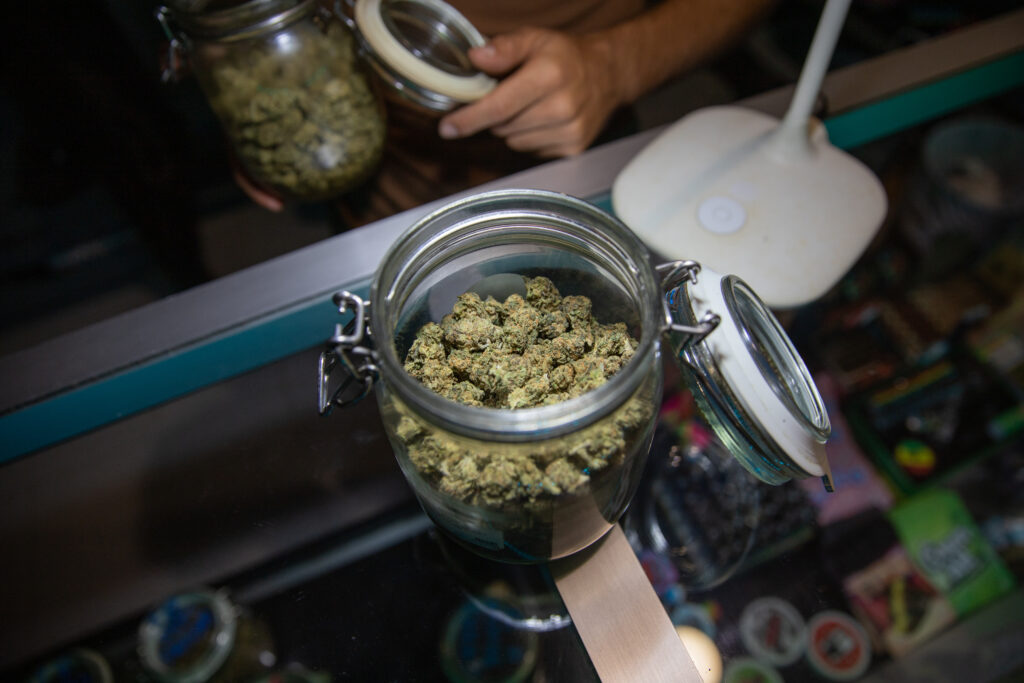
Traditional Retail / Showroom Style: These dispensaries feel like regular stores. You can walk around, look at display cases, smell sample jars (sealed containers with small holes that let aroma through), and browse at your leisure. Products are displayed in glass cases or behind counters, and budtenders assist you as needed, similar to a jewelry store or phone shop. This model is increasingly common and feels the most familiar to retail shoppers.
Behind-the-Counter / Pharmacy Style: In this setup, you stand at a counter while budtenders retrieve products from behind them or from a back room. You can’t browse freely; instead, you look at menus and point to what interests you. This model feels similar to a traditional pharmacy counter.
Lounge / Hybrid Spaces: Some dispensaries incorporate lounge areas, education spaces, or consumption areas (in states allowing on-site consumption). These feel more like coffee shops or community centers than retail stores. You might find comfortable seating, educational programming, or event spaces alongside the retail area.
Express / Quick Service: Some high-volume dispensaries operate efficiently—quick transactions focused on getting customers in and out. These are great when you know exactly what you want but less ideal for first-timers who need guidance and education.
For your first visit, seek out dispensaries with showroom-style layouts and reputations for patient, educational service. Read reviews on Knuggzilla to find locations specifically praised for welcoming beginners and providing thorough guidance.
The Atmosphere: What It Feels Like Inside
Step inside a dispensary and you’ll immediately notice—it’s clean, professional, and welcoming. Lighting is good, floors are clean, displays are organized, and everything feels legitimate because it is.
The aesthetic varies widely:
Modern Minimalist: Some dispensaries channel Apple Store vibes—white walls, clean lines, minimal clutter, touch screens, and a tech-forward feel. These spaces prioritize clarity, organization, and a medical or wellness atmosphere.
Cannabis Counterculture: Others embrace the artistic, rebellious history of cannabis culture with vibrant colors, street art, bold graphics, and music that reflects the plant’s countercultural roots. These spaces feel more playful, creative, and community-oriented.
Apothecary / Wellness: Some dispensaries adopt a holistic wellness aesthetic with natural materials, earth tones, botanical displays, and a spa-like ambiance. These spaces emphasize therapeutic benefits and position cannabis as medicine and wellness tool.
Neighborhood Shop: Some aim for a friendly, local shop vibe—comfortable, unpretentious, and focused on community relationships rather than flashy design.
No style is better than another—it’s personal preference. Browse photos on dispensary websites or Knuggzilla to find spaces where you’ll feel comfortable.
What all good dispensaries share: cleanliness, organization, friendly staff, and a welcoming atmosphere that doesn’t make anyone feel judged or out of place.
You’ll likely notice:
- Display cases filled with products in packaging
- Menu boards or digital displays with current offerings and prices
- Point-of-sale stations with computer systems for transactions
- Sample jars you can smell (closed containers with small ventilation holes)
- Educational posters or materials about cannabis and consumption methods
- Branded merchandise like t-shirts, rolling papers, or accessories
- Pleasant lighting and sometimes background music
The vibe is typically relaxed but professional. Staff members are friendly and approachable. Other customers are going about their business. It’s a normal retail environment where you can comfortably shop for a legal product.
Working with Your Budtender: Your Cannabis Guide
They’re Educators, Not Just Salespeople
The term “budtender” is cannabis industry lingo for the staff members who help customers select products. Think of them as a combination of bartender, sommelier, pharmacist, and educator—they’re there to guide you through options, answer questions, provide recommendations, and ensure you have the information you need to make good choices.
The best budtenders genuinely love cannabis and want to share that passion while helping you find products that work for you. Their job satisfaction comes from helping people have positive experiences and finding the right fit for each customer’s unique needs.
Good budtenders:
- Ask lots of questions to understand your goals
- Listen more than they talk
- Tailor recommendations to your experience level
- Explain concepts clearly without condescension
- Are honest about what they don’t know
- Prioritize your safety and comfort
- Follow up with usage instructions and dosing guidance
- Welcome all questions without judgment
Starting the Conversation: Be Honest About Experience
The single most important thing you can tell your budtender right away: “This is my first time buying cannabis” or “I’m pretty new to this and need guidance.”
This simple statement immediately sets the context and allows them to adjust their approach entirely. They’ll know to:
- Explain basics rather than assuming knowledge
- Recommend beginner-friendly products
- Emphasize dosing and safety
- Take extra time with you
- Use clear language rather than industry jargon
Don’t pretend to know more than you do. Don’t use terms you’ve heard but don’t understand. Authenticity helps them help you better—and budtenders can usually tell when someone is new regardless of what they say. Being upfront just makes the process smoother and more productive for everyone.
Share your comfort level candidly:
- “I’m nervous about getting too high”
- “I tried cannabis once before and want to try again with better guidance”
- “I’ve never consumed any substance before and want to be very cautious”
- “My friend shared some with me and I really liked it, but I don’t know what it was”
- “I’m comfortable with the idea but completely inexperienced with products and dosing”
Whatever your situation, state it clearly. There’s no judgment in cannabis retail—budtenders work with complete novices multiple times per day. Your honesty helps them serve you better.
Communicating Your Goals and Intentions
Beyond experience level, the next most important information to share is what you’re hoping to achieve. Cannabis affects people differently, and different products serve different purposes. The more specific you can be about your goals, the more targeted and useful their recommendations will be.
Examples of clear goal statements:
For Sleep:
- “I have trouble falling asleep and staying asleep. I want something to help me get quality rest without feeling groggy the next morning.”
- “I wake up in the middle of the night and can’t fall back asleep. I’m looking for something to help with that.”
For Stress and Relaxation:
- “I deal with general stress and want something that helps me unwind in the evenings.”
- “I want something to help me feel more relaxed without making me non-functional. I still need to be present and engaged.”
For Pain:
- “I have chronic lower back pain and want relief.”
- “I have arthritis in my hands and knees. I want localized relief if possible.”
- “I get tension headaches and want to try cannabis for relief.”
For Recreation/Social:
- “I want something fun for hanging out with friends on weekends—uplifting, social, not too intense.”
- “I’m looking for something to enhance music listening and creative activities.”
- “I want to try cannabis as an alternative to my evening glass of wine.”
For Wellness:
- “I’m interested in cannabis for general wellness and stress management as part of my self-care routine.”
- “I want to explore whether small amounts might help with focus and mood.”
For Exploration:
- “I’m simply curious and want to try cannabis for the first time. I want a gentle, manageable introduction.”
- “I’m interested in the wellness aspects everyone talks about and want to see what it’s about.”
The more specific and honest you are about your situation, the better equipped your budtender will be to guide you toward products that actually align with your needs.
Questions to Ask Your Budtender
Don’t be shy about asking questions—lots of them. Here’s a comprehensive list of valuable questions for first-time visitors:
General Guidance:
- “What do you typically recommend for complete beginners?”
- “What’s your personal favorite product for [specific goal]?”
- “What do most first-time customers end up loving?”
- “What should I know as a beginner that people often overlook?”
Product-Specific:
- “Can you explain the difference between these two products?”
- “What are the dominant terpenes in this strain, and what effects do they produce?”
- “How would you describe the effects of this product?”
- “Is this strain more energizing or relaxing?”
- “What’s the onset time and duration for this product?”
Dosing and Usage:
- “How much should I take for my first time?”
- “How do I use this product?” (especially for vapes or anything unfamiliar)
- “When is the best time of day to use this?”
- “How long will the effects last?”
- “How long should I wait between doses?”
Comparison and Selection:
- “I’m deciding between X and Y—what would you choose and why?”
- “What’s the difference between smoking and vaping in terms of effects?”
- “Should I start with flower or edibles as a beginner?”
Social Proof:
- “What do other customers say about this product?”
- “Is this a popular choice? What kind of feedback do you get?”
Practical Matters:
- “How should I store this at home?”
- “How long will this product last if I use it as recommended?”
- “Are there any considerations I should be aware of?”
Cost and Value:
- “Do you have any first-time customer discounts?”
- “Are there any current sales or promotions?”
- “What’s the best value option for what I’m looking for?”
Never apologize for asking questions or worry about taking up too much time. Good dispensaries build in time for customer education, and budtenders genuinely want to help you make informed decisions.
Recognizing Great Service
While most budtenders are helpful, knowledgeable professionals, it’s important to recognize what great service looks like:
Great budtenders:
- Take time to understand your unique needs and goals
- Ask about your experience level before making recommendations
- Explain terpenes and the entourage effect, not just THC percentages
- Recommend appropriate doses, especially conservative doses for edibles (2.5-5mg for beginners)
- Discuss both benefits and potential considerations
- Respect your budget and boundaries
- Make you feel welcome and comfortable asking any question
If you don’t feel comfortable with a particular budtender, it’s perfectly fine to politely ask to work with someone else or visit a different dispensary. Check reviews on Knuggzilla to find establishments specifically praised for excellent customer service and beginner-friendly staff.
Understanding Product Types: A Deep Dive
Flower (Bud): The Traditional Choice
Cannabis flower—also called bud or simply cannabis—is the dried, cured flower of the cannabis plant. This is the most traditional, recognizable form of cannabis. It’s sold by weight, typically in eighths (3.5 grams), quarters (7 grams), or larger amounts, though some dispensaries also sell single grams.
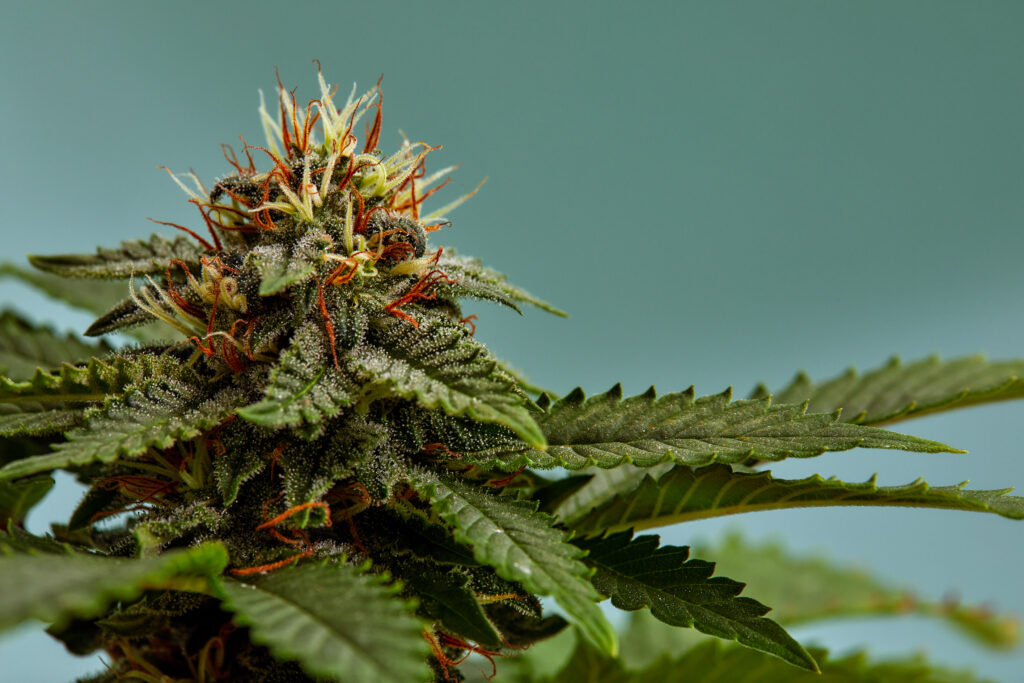
What it looks like: Dense, colorful clusters of plant material covered in tiny, crystal-like structures called trichomes (where cannabinoids and terpenes are produced). Good flower should be:
- Visibly frosty with trichome coverage
- Colorful (deep greens, purples, oranges, or reds depending on strain)
- Fresh with slight springiness when gently squeezed
- Aromatic with pleasant, distinct scents
How it’s consumed: Flower can be smoked or vaporized. Common methods include:
- Pipes (glass, metal, or wood devices for smoking small amounts)
- Bongs (water pipes that cool and filter smoke)
- Joints (cannabis rolled in paper)
- Dry herb vaporizers (devices that heat flower to vaporization temperature without combustion)
Effects timeline:
- Onset: 5-15 minutes
- Peak: 30-60 minutes
- Duration: 2-4 hours typically
Pros for beginners:
- Fast onset means you know quickly how it’s affecting you
- Easy to control dosage (take one puff, wait, assess, decide if you want more)
- Effects are relatively short-lived compared to edibles
- Most traditional experience
- Wide variety of strains to explore
- Generally less expensive than other product forms
Cons for beginners:
- Requires smoking or vaping
- Smell is noticeable
- Requires accessories (pipe or rolling papers)
- Learning curve for rolling joints
Dosing guidance for first-timers: Take 1-2 small puffs, then wait 15-20 minutes before consuming more. You’re looking for a very gentle introduction. You can always consume more; you can’t un-consume what you’ve already taken.
Price range: $20-70 per eighth (3.5g) depending on quality, with most falling in the $30-50 range.
Best for: People who want fast onset and control, those interested in the traditional cannabis experience, and anyone who wants to try different strains easily.
Pre-Rolls (Joints): Convenience and Variety
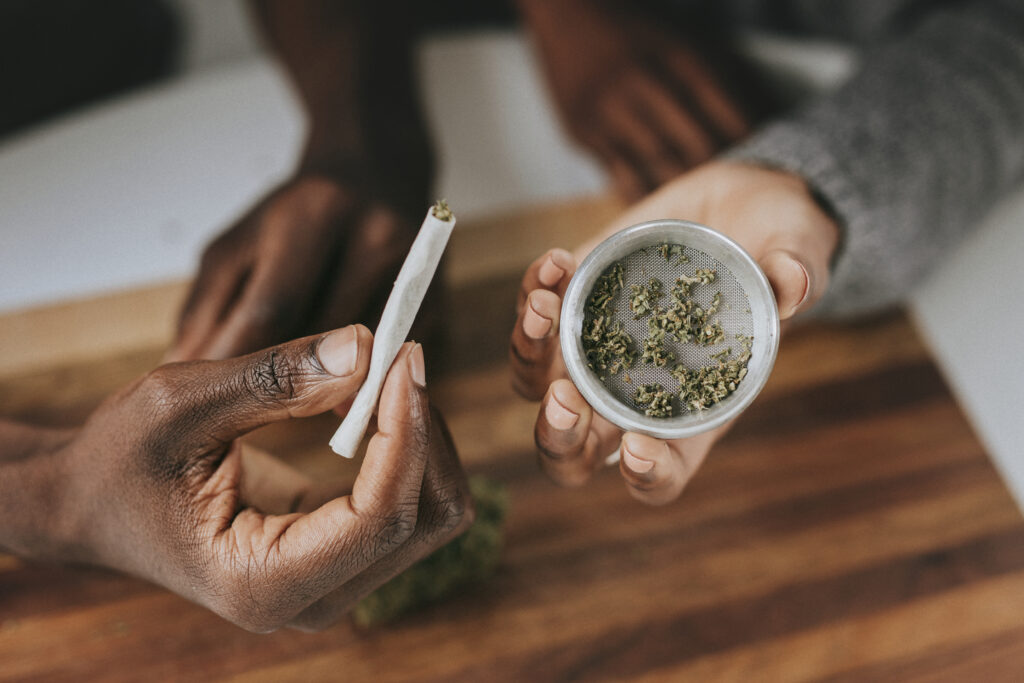
Pre-rolls are pre-rolled joints ready to smoke. You don’t need to know how to roll or own any accessories beyond a lighter. They’re perfect for first-timers who want to try flower without the hassle or learning curve.
What they are: Cannabis flower ground and rolled into paper with a filter tip, then sealed in a tube or package to maintain freshness. They come in many varieties:
- Single-strain pre-rolls: Just one strain of cannabis
- Mini or slim pre-rolls: Smaller size with less cannabis (better for beginners)
- Standard pre-rolls: Regular size for one or more sessions
Effects timeline: Same as flower—onset in 5-15 minutes, effects last 2-4 hours.
Pros for beginners:
- Ultimate convenience—just light and smoke
- No accessories needed (just a lighter)
- Great for trying different strains without buying eighths of each
- Often comes with strain information and effects descriptions
- Perfect portion control with mini pre-rolls
- Professional rolling means even burn
Cons for beginners:
- Less dosage control than flower (once it’s burning, you’re committed)
- Can’t easily save half for later (though you can extinguish and relight)
Dosing guidance for first-timers: Choose a slim or mini pre-roll (usually 0.3-0.5g) over standard size (0.75-1g). Take 2-3 puffs, extinguish it, and wait 15-20 minutes. You can always relight and smoke more later.
Price range: $8-30 depending on size and quality, with most standard pre-rolls running $10-15.
Best for: First-timers who want simplicity, people who want to try multiple strains without commitment, social situations, and anyone who wants the flower experience without learning to roll.
Edibles: Long-Lasting Effects
Edibles are foods and beverages infused with cannabis. They’re processed through your digestive system rather than your lungs, which creates a fundamentally different experience from smoking—one that’s more intense, longer-lasting, and requires patience.
Common types:
- Gummies: Most popular edible form, usually 5-10mg THC per piece
- Chocolates: Bars or pieces, often 5-10mg per serving
- Baked goods: Cookies, brownies, with serving suggestions
- Beverages: Cannabis-infused drinks or teas
- Mints/lozenges: Small, discreet, often faster-acting than other edibles
- Capsules: Pill form, precisely dosed
How they work differently: When you eat cannabis, THC is metabolized by your liver, which converts it into 11-hydroxy-THC, a compound that’s more potent and longer-lasting than the THC you get from smoking. This is why edibles feel different and why the effects are so much stronger and longer.
Effects timeline:
- Onset: 30 minutes to 2 hours (sometimes longer)
- Peak: 2-4 hours after onset
- Duration: 4-8 hours, sometimes up to 12 hours
- This delayed onset is why edibles cause the most “I consumed too much” stories—people take more before the first dose kicks in
Pros for beginners:
- No smoking required
- Discreet consumption
- Long-lasting effects (great for sleep or all-day relief)
- Precise dosing marked on packaging
- Many delicious options
Cons for beginners:
- Delayed onset makes dosing tricky
- Effects last a very long time
- Can be intense if you take too much
- Easy to accidentally consume too much while waiting for effects
Critical Edible Advice: Start with 2.5-5mg of THC maximum. Wait at least 2 hours—preferably 3 hours—before considering more. This cannot be emphasized enough. Set a timer on your phone if you need to. The “I ate more because I didn’t feel anything” mistake leads to overwhelming experiences that can last many hours.
Price range: $15-35 for most edible products.
Best for: People who don’t want to smoke, those seeking long-lasting effects, medical users who need all-day relief, and anyone patient enough to wait for onset.
Not ideal for: People who want immediate effects, those new to all substances, or anyone who struggles with patience (the wait time requires discipline).
Vape Cartridges: Modern and Discreet
Pre-filled cartridges that attach to battery-powered pens. You inhale vapor instead of smoke, which is less harsh and more discreet. Effects are similar to smoking in terms of onset time (5-15 minutes).
What they are: Cartridges filled with cannabis oil that screw onto rechargeable battery pens. The battery heats the oil to create vapor you inhale.
Effects timeline:
- Onset: 5-15 minutes
- Peak: 30-60 minutes
- Duration: 2-4 hours
Pros for beginners:
- Discreet and convenient
- No combustion (vaporizing is gentler than smoking)
- Portable and easy to use
- Less smell than smoking
- Precise dosing with controlled puffs
- Many strain and potency options
Cons for beginners:
- Requires battery/pen hardware (usually $15-30 for basic battery)
- Some learning curve for proper usage
- Can be easy to consume more than intended because it’s so smooth
Dosing guidance for first-timers: Take 1-2 small puffs (1-2 seconds each), then wait 15-20 minutes before taking more. Vape pens can be deceptively smooth, making it easy to over-consume.
Price range: $25-70 for cartridges, plus $15-30 for battery if needed.
Best for: People who want convenience and discretion, those who don’t like smoke, and anyone seeking a modern, controlled consumption method.
Tinctures: Versatile and Precise
Liquid cannabis extracts typically taken under the tongue (sublingually) for faster absorption or added to food and drinks. They offer precise dosing with droppers marked in milligrams.
What they are: Cannabis extract dissolved in alcohol or oil, packaged in bottles with measured droppers.
How to use them:
- Sublingual (under tongue): Place drops under your tongue, hold for 30-60 seconds, then swallow. This allows faster absorption through mucous membranes.
- Added to food/drinks: Mix into beverages, smoothies, or food for a slower onset similar to edibles.
Effects timeline:
- Sublingual: 15-45 minutes onset, 4-6 hours duration
- Ingested: 30-90 minutes onset, 4-8 hours duration
Pros for beginners:
- Extremely precise dosing with marked droppers
- Versatile (can be used sublingually or added to food)
- Discreet consumption
- No smoking required
- Easy to adjust dosage up or down
Cons for beginners:
- Taste can be unpleasant (often earthy or bitter)
- Learning curve for proper sublingual technique
- Effects timing varies based on method
Dosing guidance for first-timers: Start with 2.5-5mg THC. If using sublingually, hold under tongue for full 60 seconds for best absorption.
Price range: $20-80 depending on bottle size and potency.
Best for: People who want precise dosing, those who want versatility in how they consume, medical users seeking consistent dosing, and anyone who wants to avoid smoking but doesn’t like waiting for edibles.
Topicals: Localized Relief Without the High
Lotions, balms, salves, and patches infused with cannabis for localized relief. Most topicals are non-psychoactive—they won’t get you high because the cannabinoids don’t enter your bloodstream in significant amounts.
Common types:
- Lotions and creams: For massage and absorption
- Balms and salves: Thicker consistency for targeted application
- Patches: Transdermal patches that deliver cannabinoids over time
- Bath products: Bath bombs, soaks, and salts
How they work: Applied directly to skin where they interact with cannabinoid receptors in the area. They provide localized effects without psychoactive impact (except for some transdermal patches designed for systemic absorption).
Effects timeline:
- Onset: 15-45 minutes
- Duration: 2-6 hours depending on product
Pros for beginners:
- No psychoactive effects (won’t get you high)
- Targeted relief for specific areas
- No smoking or ingestion required
- Great for exploring cannabis without commitment
- Safe to use while remaining fully functional
Cons for beginners:
- Limited to localized effects
- Won’t produce the “cannabis experience” many are seeking
- More expensive per use than other methods
- Effects are subtle compared to other consumption methods
Best for: People dealing with localized pain, inflammation, or muscle soreness; those nervous about psychoactive effects; anyone wanting to try cannabis without getting high; athletes and active individuals seeking recovery support.
What to Avoid as a Beginner
Concentrates (wax, shatter, live resin, rosin, diamonds): These are highly potent extracts with 60-90%+ THC compared to flower’s 15-25%. They require special equipment and are absolutely not recommended for first-time users. Skip these entirely until you’re very experienced with cannabis and understand your tolerance well.
Infused pre-rolls: Pre-rolls coated or mixed with concentrates are significantly more potent than regular flower. Avoid anything labeled “infused,” “diamond,” “caviar,” or “premium enhanced” as a beginner.
High-dose edibles: Anything over 10mg per serving is too much for a beginner. Even 10mg can be intense for someone with no tolerance. Stick to 2.5-5mg servings.
Reading Labels and Understanding Potency
THC and CBD Percentages
Labels will show THC% and CBD%, the two most prominent cannabinoids. For flower, THC typically ranges from 12-30%. For edibles, you’ll see milligrams per serving (5mg, 10mg, etc.) and total package amount.
As a beginner, don’t chase high THC numbers. More isn’t better—it’s just more. A 15% THC strain with great terpenes will likely give you a better experience than a 30% THC strain bred only for potency. CBD moderates THC’s psycho

Responses