
Beyond THC: Let Terpenes Shape Your Cannabis Experience
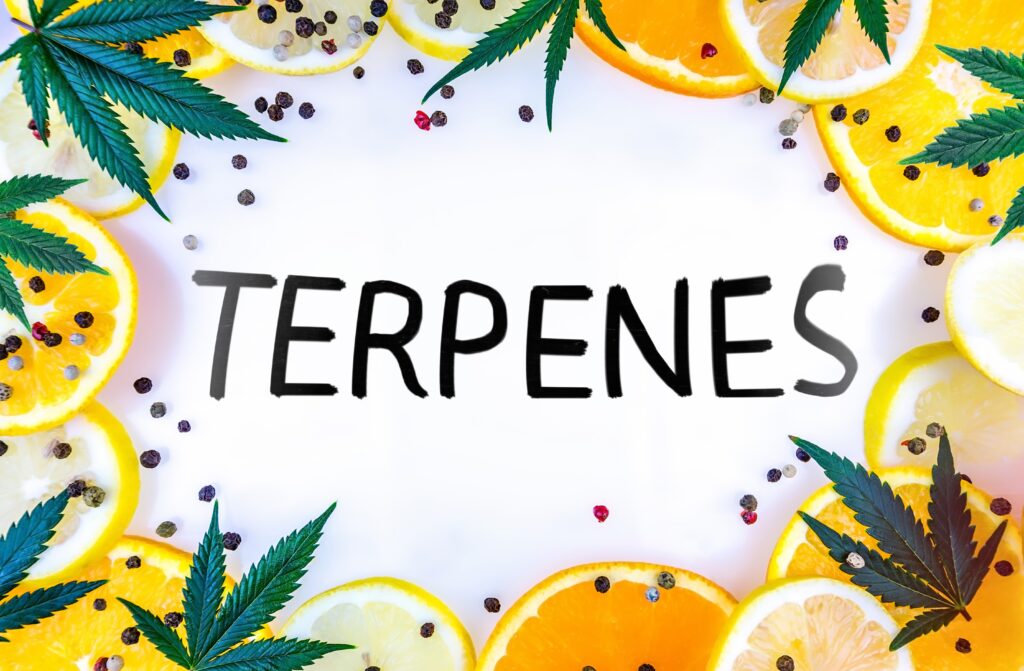
Beyond THC: Let Terpenes Shape Your Cannabis Experience
For years, the cannabis conversation has been dominated by one question: “What’s the THC percentage?” It’s an understandable fixation—THC is the primary psychoactive cannabinoid, after all. But focusing solely on THC is like judging a symphony by counting how many notes it contains, completely ignoring the melody, harmony, and emotion that make music move us. The truth is, your cannabis experience is shaped by a complex orchestra of compounds working together, and terpenes are some of the most important players you’ve probably been overlooking.
If you’ve ever wondered why two strains with identical THC percentages can produce completely different effects, or why one strain makes you feel energized while another with the same potency leaves you melted into the couch, terpenes hold the answer. These aromatic compounds are the secret architects of your high, working in concert with cannabinoids to create what scientists call the entourage effect—and understanding them will transform how you choose and experience cannabis.
What Are Terpenes, Really?
Terpenes are aromatic compounds found throughout nature—not just in cannabis, but in virtually every plant on Earth. They’re what give lavender its calming scent, citrus fruits their bright aroma, pine trees their fresh fragrance, and black pepper its spicy kick. In the plant kingdom, terpenes serve multiple purposes: attracting pollinators, repelling predators, and protecting plants from environmental stress.
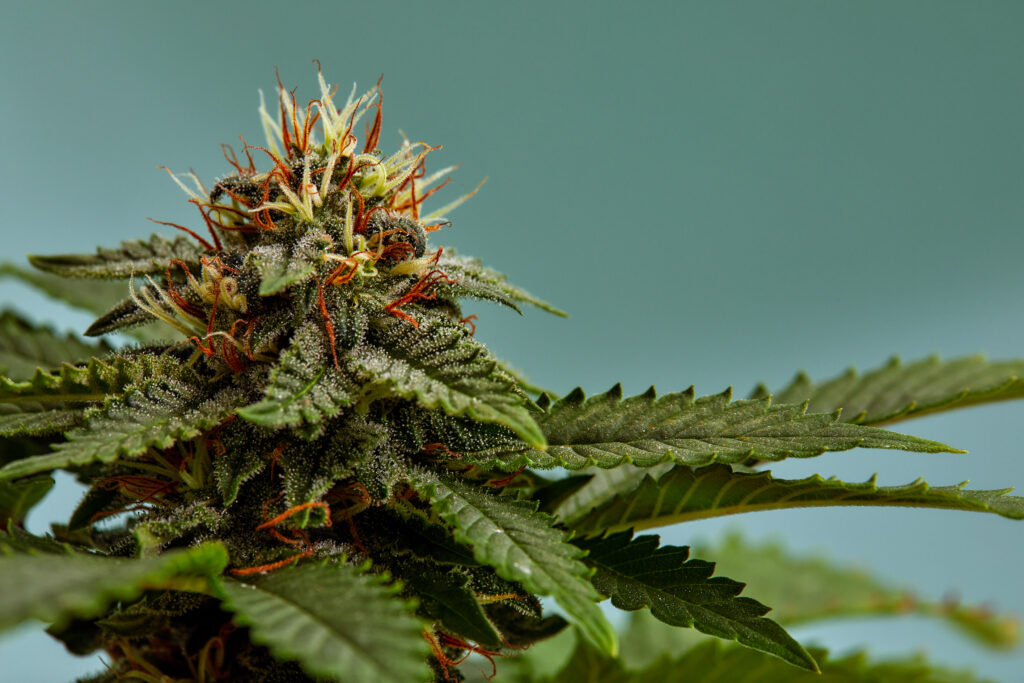
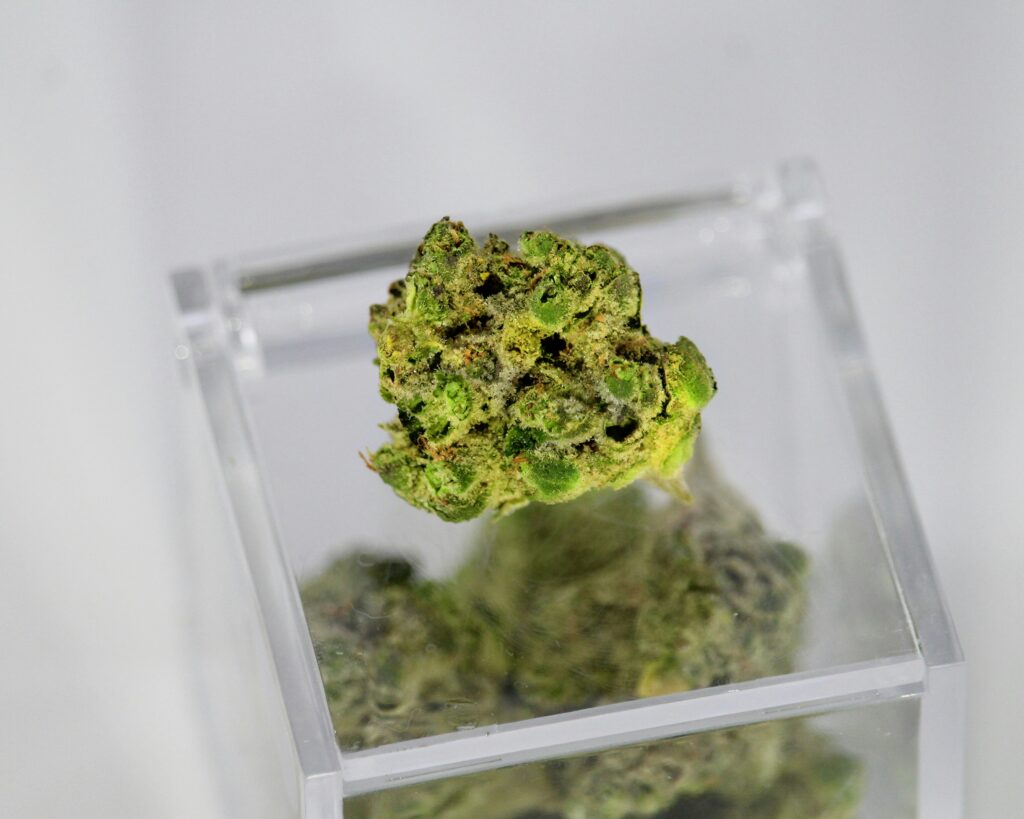
In cannabis specifically, terpenes are produced in the same glandular trichomes that produce cannabinoids like THC and CBD. These sticky, crystalline structures that make quality cannabis sparkle are essentially tiny factories producing the chemical compounds that define each strain’s unique character. When you open a jar of cannabis and catch that distinctive aroma—whether it’s fruity, earthy, piney, or skunky—you’re experiencing terpenes.
But here’s where it gets fascinating: terpenes don’t just smell good. They’re biologically active compounds that interact with your body’s systems in powerful ways, influencing not just the scent and flavor of cannabis, but the actual effects you experience. Each terpene has its own properties and potential benefits, and when combined with cannabinoids, they create synergistic effects that are greater than the sum of their parts.
Scientists have identified over 200 different terpenes in cannabis, though most strains are dominated by a handful of primary terpenes that define their character. Understanding these major players—and learning to identify them by scent and effect—is like developing a refined palate for wine or coffee. It elevates your entire relationship with the plant.
The Major Terpenes and Their Effects
Let’s explore the most common terpenes you’ll encounter in cannabis and what they bring to your experience:
Myrcene is the most abundant terpene in most cannabis strains, and it’s a major contributor to that classic “couch-lock” effect. With an earthy, musky aroma reminiscent of cloves and herbs, myrcene is also found in mangoes, lemongrass, and hops. This terpene is known for its sedating, relaxing properties and its potential to enhance the psychoactive effects of THC by making it easier for cannabinoids to cross the blood-brain barrier.
If you’ve ever heard that eating a mango before consuming cannabis will intensify your high, that’s myrcene at work. Strains high in myrcene tend to produce that heavy, full-body relaxation that makes you want to sink into the couch and stay there. They’re often associated with traditional “indica” effects, though as we’re learning, terpene profiles matter more than indica/sativa classifications.
Limonene brings the bright, uplifting citrus notes to cannabis—and to your mood. Found in lemon, orange, and other citrus rinds, limonene is associated with elevated mood, stress relief, and potential anti-anxiety effects. It’s one of the reasons citrus-scented strains often feel energizing and mood-boosting rather than sedating.
Beyond its psychological effects, limonene may also enhance the absorption of other terpenes and cannabinoids through the skin and other tissues, contributing to the overall potency of your experience. Strains high in limonene are often sought out by people dealing with stress, depression, or anxiety, and they’re popular choices for daytime use when you want to remain functional and uplifted.
Pinene smells exactly like what you’d expect—fresh pine needles and rosemary. It’s the most common terpene in nature, found abundantly in conifer trees, and it brings a sharp, refreshing quality to cannabis. There are two forms: alpha-pinene (which smells like pine) and beta-pinene (which smells more like rosemary, basil, and dill).
Pinene is associated with alertness and memory retention, potentially counteracting some of the short-term memory impairment that high-THC cannabis can cause. It’s also known for its bronchodilator properties, meaning it can help open airways—which is one reason why cannabis smoke, despite being smoke, doesn’t seem to impact lung function the same way tobacco does.
If you’ve ever taken a deep breath of forest air and felt mentally refreshed, you’ve experienced pinene’s effects. In cannabis, it tends to produce clear-headed, focused effects that don’t sacrifice potency for clarity.
Linalool is the terpene responsible for lavender’s famously calming aroma, and it brings those same soothing qualities to cannabis. With its floral, slightly spicy scent, linalool is associated with relaxation, stress relief, and potential anti-anxiety effects. It’s also being studied for its potential pain-relieving and anti-inflammatory properties.
Strains high in linalool are often sought by people dealing with anxiety, insomnia, or chronic stress. The calming effects work beautifully alongside THC and CBD to create deeply relaxing experiences without excessive sedation. If you’re drawn to floral, lavender-scented strains, you’re responding to linalool.
Caryophyllene stands out among terpenes because it’s the only one known to interact directly with the body’s endocannabinoid system, specifically binding to CB2 receptors. With a spicy, peppery aroma (it’s what gives black pepper its characteristic kick), caryophyllene is associated with potential anti-inflammatory and pain-relieving effects.
This terpene is particularly interesting for people seeking therapeutic benefits without necessarily wanting strong psychoactive effects, since it works through the endocannabinoid system independently of THC. It’s found in black pepper, cloves, cinnamon, and hops, and strains high in caryophyllene often have complex, spicy aromatic profiles.
Humulene shares some aromatic qualities with caryophyllene—earthy, woody, and slightly spicy—and is found in hops, sage, and ginseng. It’s traditionally been associated with appetite suppression (unlike the munchie-inducing effects of many cannabis strains) and potential anti-inflammatory properties.
Humulene contributes to the herbal, hoppy character of many cannabis strains, and it works synergistically with other terpenes to create balanced effects that feel grounded and earthy rather than racy or overstimulating.
Terpinolene is less common than the others but makes a big impact when present. With a complex aroma that’s simultaneously floral, herbal, and slightly citrusy (think lilac, pine, and lime), terpinolene is often found in strains that produce uplifting, energetic effects. It’s also present in nutmeg, tea tree, cumin, and apples.
Despite being associated with “sativa-like” effects, terpinolene has been shown to have sedative properties in some studies—a reminder that terpene effects can be complex and context-dependent, especially when working in combination with other compounds.
The Entourage Effect: When the Whole Becomes Greater Than the Parts
Now that you understand individual terpenes, let’s talk about the magic that happens when they work together with cannabinoids—the entourage effect. This concept, first proposed by Israeli scientists Raphael Mechoulam and Shimon Ben-Shabat in 1998 and later expanded by neurologist Ethan Russo, suggests that cannabis compounds work synergistically to produce effects that are greater, more nuanced, and more therapeutic than any single compound could achieve alone.
Think of it like a choir. One person singing can be beautiful, but when multiple voices harmonize, blending their unique tones and timbres, you get something transcendent—something that couldn’t exist without each individual contribution. That’s the entourage effect.
Here’s how it works: When you consume cannabis, you’re not just getting THC or CBD. You’re getting a complex cocktail of cannabinoids (THC, CBD, CBG, CBN, and dozens more), terpenes (myrcene, limonene, pinene, and hundreds of others), and flavonoids (another class of compounds we’re just beginning to understand). Each of these compounds has its own effects and properties, but more importantly, they influence how your body processes and responds to each other.
Terpenes can affect how cannabinoids bind to receptors in your endocannabinoid system. They can influence how much of a cannabinoid crosses the blood-brain barrier. They can modify the duration of effects, the intensity of effects, and even which specific effects you experience. This is why whole-plant cannabis extracts often feel more balanced and therapeutic than isolated THC, even when the THC percentage is identical.
Let’s look at some real-world examples of the entourage effect in action:
Myrcene + THC creates that deeply sedating, full-body relaxation that’s perfect for evening use or managing pain and insomnia. The myrcene doesn’t just add its own sedative effects—it actually helps THC work more effectively by enhancing its ability to cross the blood-brain barrier. This combination is why mango-scented, myrcene-rich strains often feel more potent than their THC percentage would suggest.
Limonene + CBD produces uplifting, anti-anxiety effects that are greater than either compound alone. The limonene brings mood elevation and stress relief, while CBD provides broader anxiolytic effects and helps modulate THC’s psychoactivity. Together, they create a balanced experience that’s both calming and energizing—perfect for managing anxiety while remaining functional and engaged.
Pinene + THC creates focused, clear-headed effects by counteracting some of THC’s tendency to impair short-term memory. The pinene supports alertness and mental clarity while the THC provides euphoria and relaxation. This combination is sought after by people who want the benefits of THC without the foggy-headed feeling that sometimes comes with it.
Linalool + CBD amplifies relaxing, anti-anxiety effects through complementary mechanisms. Both compounds have calming properties, but they work through different pathways in the body. When combined, they create a deeply soothing experience that’s more effective for stress and anxiety than either compound alone.
Caryophyllene + CBD enhances anti-inflammatory and pain-relieving effects by working through both the endocannabinoid system (via caryophyllene’s interaction with CB2 receptors) and CBD’s multiple mechanisms of action. This combination is particularly interesting for people seeking therapeutic benefits.
The entourage effect also explains why cannabis experiences can be so personal and variable. Two people consuming the same strain might have noticeably different experiences based on their individual endocannabinoid systems, tolerance levels, metabolism, and even what they’ve eaten recently. The complex interplay of compounds means there are countless variables affecting the outcome.
Why Terpene Profiles Matter More Than Indica vs. Sativa
If you’ve been buying cannabis based on indica versus sativa classifications, it’s time for an upgrade. Modern cannabis research has largely debunked these categories as reliable predictors of effects. The truth is, a strain’s terpene profile is a far better indicator of how it will make you feel than whether it’s labeled indica or sativa.
These classifications were originally based on plant morphology—physical characteristics like leaf shape, plant height, and growth patterns—not effects. Yes, landrace indica strains from Central Asia tended to be more sedating, while landrace sativa strains from equatorial regions tended to be more energizing, but decades of crossbreeding have made these distinctions essentially meaningless in modern cannabis.
You can find so-called “indica” strains that are energizing and so-called “sativa” strains that make you sleepy. The difference? Terpenes. An indica-dominant strain high in limonene and pinene might feel uplifting and clear-headed, while a sativa-dominant strain high in myrcene and linalool might be deeply sedating.
Progressive dispensaries and brands are moving away from indica/sativa classifications in favor of more informative systems based on cannabinoid ratios and terpene profiles. When you shop on Knuggzilla, look for this kind of detailed information in brand profiles and product descriptions—it’s the sign of a company that understands the science and respects your intelligence as a consumer.
Instead of asking “Is this an indica or sativa?” start asking:
- What are the dominant terpenes?
- What’s the full cannabinoid profile, not just THC percentage?
- What effects are associated with this terpene combination?
- What do other consumers say about their experiences?
This approach will lead you to strains that actually deliver the experience you’re seeking, rather than leaving you disappointed when your “sativa” puts you to sleep or your “indica” has you cleaning your entire house at midnight.
How to Use Terpene Knowledge in Your Cannabis Journey
Understanding terpenes isn’t just interesting—it’s practical. Here’s how to put this knowledge to work:
Smell before you buy. If possible, smell the cannabis before purchasing. Your nose is remarkably good at detecting terpenes, and you’ll often instinctively gravitate toward the aromatic profiles that will serve you well. Citrusy scents suggest limonene for mood elevation. Pine-fresh aromas indicate pinene for alertness. Earthy, musky scents point to myrcene for relaxation. Floral notes hint at linalool for calming effects.
Read the lab results. Many dispensaries provide lab testing results that include terpene profiles along with cannabinoid percentages. These reports show which terpenes are present and in what quantities, giving you valuable information about potential effects. Don’t just look at the THC number—scan down to the terpene section and see what’s actually driving the experience.
Keep a cannabis journal. Note the strains you try, their terpene profiles, and how they make you feel. Over time, you’ll identify patterns—perhaps you consistently enjoy high-limonene strains, or you find that caryophyllene-rich varieties help your chronic pain more effectively. This personal data is invaluable for making informed choices and finding your ideal cannabis experience.
Consider the time of day and your goals. Want to be productive? Look for strains high in pinene and limonene. Need to unwind after a stressful day? Seek out myrcene and linalool. Managing pain or inflammation? Caryophyllene should be on your radar. By matching terpene profiles to your needs and the time of day, you’ll have more consistent, satisfying experiences.
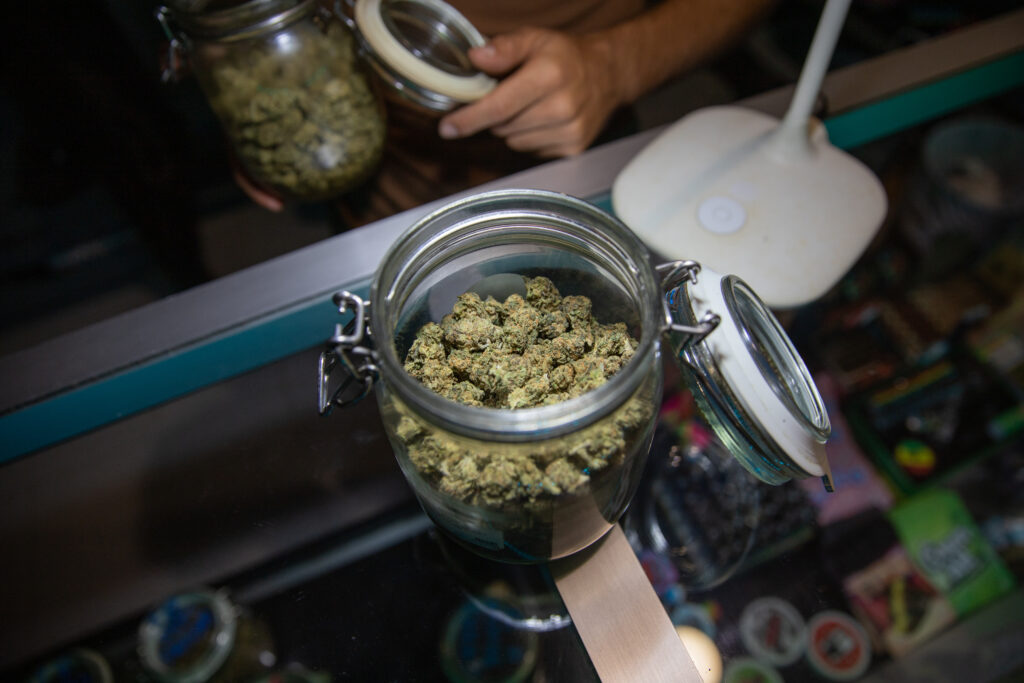
Talk to knowledgeable budtenders. When shopping at dispensaries, engage with staff who understand terpenes and the entourage effect. Ask questions about terpene profiles, share what has worked for you in the past, and be open to trying new combinations based on their expertise. The best budtenders are essentially sommelier for cannabis, able to guide you to products that match your preferences and needs.
Explore different consumption methods. Terpenes can be affected by heat, so different consumption methods may preserve or alter terpene profiles differently. Vaporizing at lower temperatures tends to preserve more terpenes than smoking at high temperatures. Some people find that particular terpene effects come through more clearly with certain consumption methods, so experiment to find what works best for you.
Don’t discount “lower THC” strains. A strain with 15% THC and a rich, balanced terpene profile may provide a more enjoyable and effective experience than a 30% THC strain with a depleted terpene profile. The cannabis industry’s obsession with THC percentages has sometimes come at the expense of terpene preservation, so give those “lower potency” strains a chance—you might be pleasantly surprised.
The Future of Cannabis: Terpene-Forward Thinking
As the cannabis industry matures and consumers become more educated, we’re seeing a shift toward terpene-forward branding and marketing. Progressive cultivators are prioritizing terpene preservation in their growing and curing processes, recognizing that these aromatic compounds are just as important as cannabinoid content—arguably more so for creating quality experiences.
Some brands are even creating proprietary terpene blends, adding cannabis-derived or botanically-sourced terpenes to their products to achieve specific effect profiles. Others are breeding specifically for unique terpene expressions, moving beyond THC maximization to create strains with rich, complex aromatic and effect profiles.
This evolution is exciting because it represents a more sophisticated understanding of cannabis and a commitment to quality over sheer potency. It’s about crafting experiences, not just delivering THC. It’s about respecting the plant’s complexity and the intelligence of consumers who want to understand what they’re consuming and why.
On Knuggzilla, you’ll find brands that embrace this terpene-forward approach, providing detailed information about their products’ aromatic and effect profiles. You can read reviews from community members who share their experiences with different terpene combinations, discover events focused on cannabis education and terpene exploration, and connect with a community that values quality, education, and intentional consumption.
Discovering Your Perfect Terpene Profile
Your ideal cannabis experience is waiting for you—it’s just a matter of finding the right terpene combination for your unique body chemistry and desired effects. Some people are naturally drawn to myrcene-heavy strains and love that deeply relaxing experience. Others thrive on limonene and pinene, seeking energy and clarity. Many people prefer balanced profiles with multiple terpenes working in concert.
The beauty of understanding terpenes and the entourage effect is that it empowers you to be intentional about your cannabis choices. You’re no longer shooting in the dark, hoping that a high THC percentage will deliver what you’re looking for. Instead, you’re making informed decisions based on the complex chemistry that actually determines your experience.
Start paying attention to terpenes in the strains you already enjoy. What do they have in common? Are you consistently drawn to citrusy, limonene-rich varieties? Do you gravitate toward earthy, myrcene-forward options? Understanding your preferences is the first step toward consistently finding cannabis that serves you well.
Then start experimenting. Try strains outside your usual comfort zone but with interesting terpene profiles. Attend educational events where you can learn to identify terpenes by scent and understand their effects more deeply. Join the conversation on Knuggzilla, sharing your experiences and learning from others in the community.
The world of cannabis is infinitely more interesting and nuanced than THC percentages alone could ever reveal. Terpenes and the entourage effect show us that nature’s wisdom is complex, sophisticated, and beautifully designed. By learning to work with these compounds rather than ignoring them, you unlock cannabis experiences that are more effective, more enjoyable, and more aligned with your specific needs and preferences.
Welcome to the aromatic, fascinating world of terpenes. Your nose—and your endocannabinoid system—will thank you for making the journey.
Ready to explore strains and brands with detailed terpene profiles? Discover them on Knuggzilla, where education meets community and quality cannabis culture thrives.

Responses